About
About Vorsa Logic
The chat window is not the transformation. A chat tab answers questions; it does not check the port portal, key the invoice, or tell you which lane lost money last week. We started Vorsa Logic because we had watched, up close, how far the distance is between an AI demo and AI running a business, and we wanted to close it for companies that do real work.
Where we came from
Since 2019, through Teknoir, we built and deployed AI systems in industrial and operational settings, the kind that run on the plant floor and in the field, not in a browser tab. The lesson from those years was consistent: the model was rarely the hard part. The hard part was the integration with the systems the business already ran, the person who had to trust it, and who kept it working after the launch team left.
Jonathan and Chip founded Vorsa Logic in 2026 to do that part properly for operations-heavy companies: plan the work against the P&L, build inside the existing software, and stay on to run it.
Who does the work
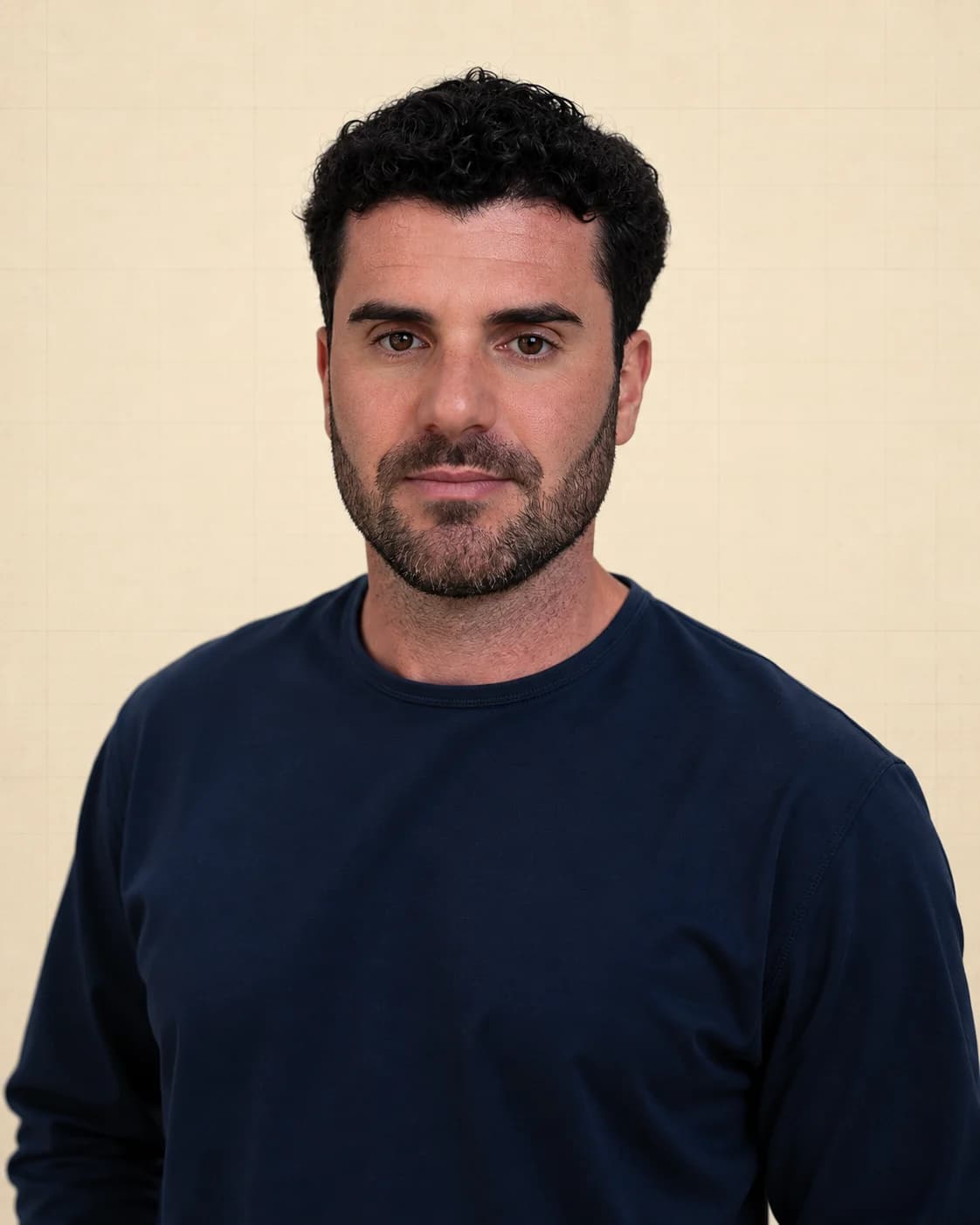
Jonathan Klein
partner and co-founder
An electrical engineer by training, Jonathan has spent two decades in industrial automation, leading teams and serving companies from owner-run businesses to the Fortune 500. He co-founded Cimation, an industrial automation and OT cybersecurity company, and led it as CEO until its acquisition by Accenture, where he went on to serve as a managing director. He then founded Teknoir, an AI edge inferencing platform for computer vision. At Vorsa Logic he leads the client relationships and the assessments.
LinkedIn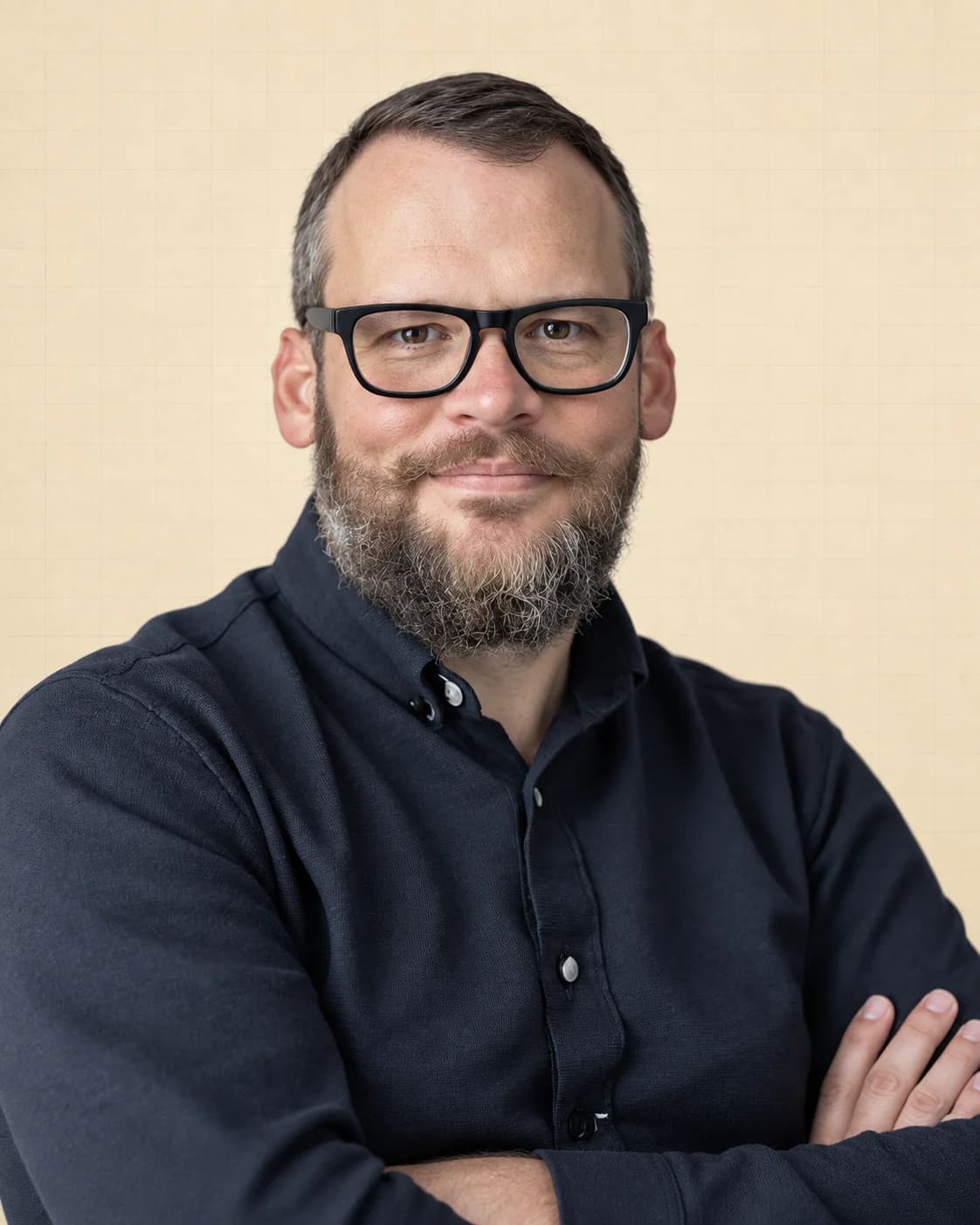
Chip Ray
partner and co-founder
Chip has spent two decades building software products that drive revenue, from startups to the Fortune 500. He was CTO of Teknoir, an AI edge inferencing platform for computer vision. Before that, as CTO of Alegion, an AI training-data company, he built the product function and led product, engineering, and research while the company grew nine-fold in three years. At NetApp he built the data migration business, whose products generated $245M in revenue. At Vorsa Logic he leads engineering and builds the agents and integrations.
LinkedIn
Aldwin Hardian
forward deployed engineer
A management consultant by background, Aldwin has spent his career on getting people and processes to change, which is where most transformations stall. In consulting he led organizational change engagements, getting teams to adopt new systems and new ways of working. At Microsoft he led the Application of AI workstream, moving AI agents out of pilots and into the daily work of the teams that use them. At Vorsa Logic he runs delivery on each client workstream from kickoff to handoff, and owns the implementation plan that keeps each system working after go-live.
LinkedIn
We do the work ourselves. When you book an assessment, a founder is in the room, and a founder answers the phone.
How Vorsa Logic works
Business goals first. Every use case is mapped to a P&L line, revenue, margin, labor hours, cash cycle, or error cost, and ranked by return and risk before we write code. If a plain integration beats an AI agent, we say so.
Transformation beats tools. A new tool nobody opens changes nothing. Work that used to take a person and now happens on its own, inside the systems you already use, changes the business.
Your systems are an asset. Your TMS, your FSM, your accounting system hold years of your data and your people's habits. We build into them, not around them.
Trust is earned in steps. Shadow period, parallel run, then production with a person approving anything that touches money. Every action logged.
You own the result. Source code, data, cloud and vendor accounts, runbooks. If we disappeared tomorrow, your system would keep running and any competent engineer could pick it up. We then stay on, by choice, to run it. How managed AI works →
What working with us is like
You will talk to a founder, not an account manager. The first engagement is small on purpose: two days of assessment and one build, so both sides know what they are getting into before anything larger. We will tell you when a plain integration beats an AI agent, when a no-code tool is enough, and when the honest answer is "not yet." We write down what "done" means before we start, and we do not bill hours.
After go-live, most clients keep us on a managed plan. That is the part of the business we care about most, because software that watches other companies' systems will break, and the question of who fixes it is the whole difference between a demo and a system a business runs on.
What that looks like
A Houston trucking company tracked 600 to 700 import containers a month by checking port and steamship-line websites by hand. We built a monitoring agent inside their TMS, their tracking provider, and Microsoft Teams; dispatch gets a daily digest, a person handles only the exceptions, and they own the system. More →
Where we are
Houston, Texas. On site across Texas for assessments; remote across the US for everything else. Insured: cyber liability, technology errors and omissions, and commercial general liability, with a certificate available on request.